Unlocking Canada’s Grid
Electro-Federation Canada (EFC) is championing the modernized grid that will power Canada’s energy transition.
Canada’s electricity demand is projected to more than double by 2050. The time is now to scale and unlock the grid to facilitate industrial growth, global investment, community growth, and reach decarbonization goals. The grid technology and innovation are ready — but we need to break barriers to scale.
Did You Know?

For critical grid hardware such as transformers and switchgear, lead times can be up to four years, with rising costs and exposure to trade disruptions.

Transformers prices have risen 75% since 2020, and switchgear costs have increased by 30%.

Traditional utility rate design models favour capital intensive assets over digital and “non-wires” solutions.

Electrical codes for key technologies, such as power control systems lag behind technology readiness.

Most smart grid technologies are commercially mature or proven internationally.
A Research-Backed Roadmap to a Next Generation Grid
With electrification across major infrastructure, transportation, and industry, combined with new large loads such as AI data centres, we can only meet demand if we overcome the barriers to scale.
Step #1
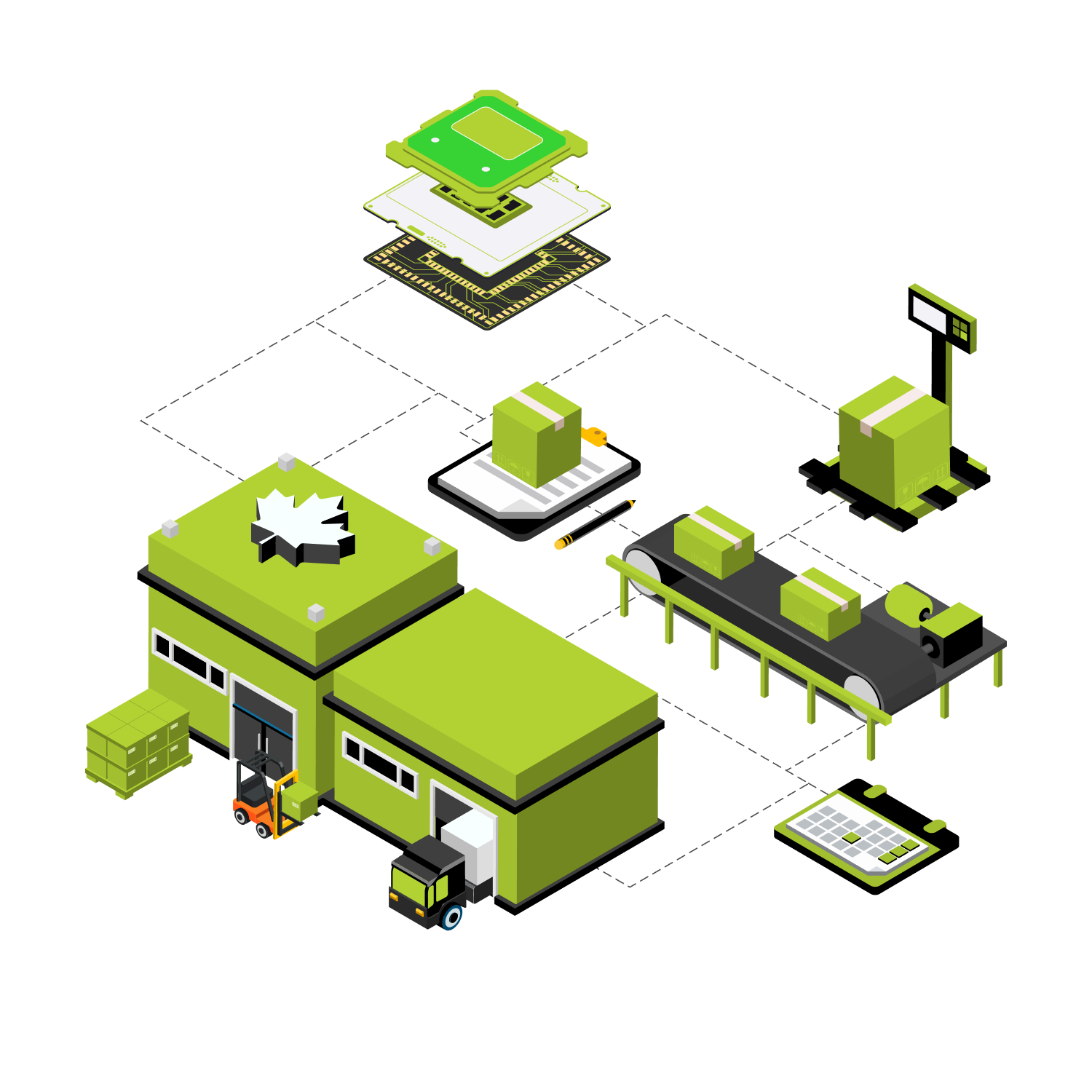
Scale Domestic Manufacturing & Secure the Supply Chain
Building Canada’s clean grid depends on access to key equipment such as transformers and switchgear. But supply chain constraints are delaying projects and raising costs. To mitigate supply chain risk, Canada must:
- Scale domestic manufacturing capacity for critical grid equipment, through investment tax credits, strategic financing, and incentives to support domestic content. Align specifications across utilities to shorten lead times and derisk investment.
Step #2
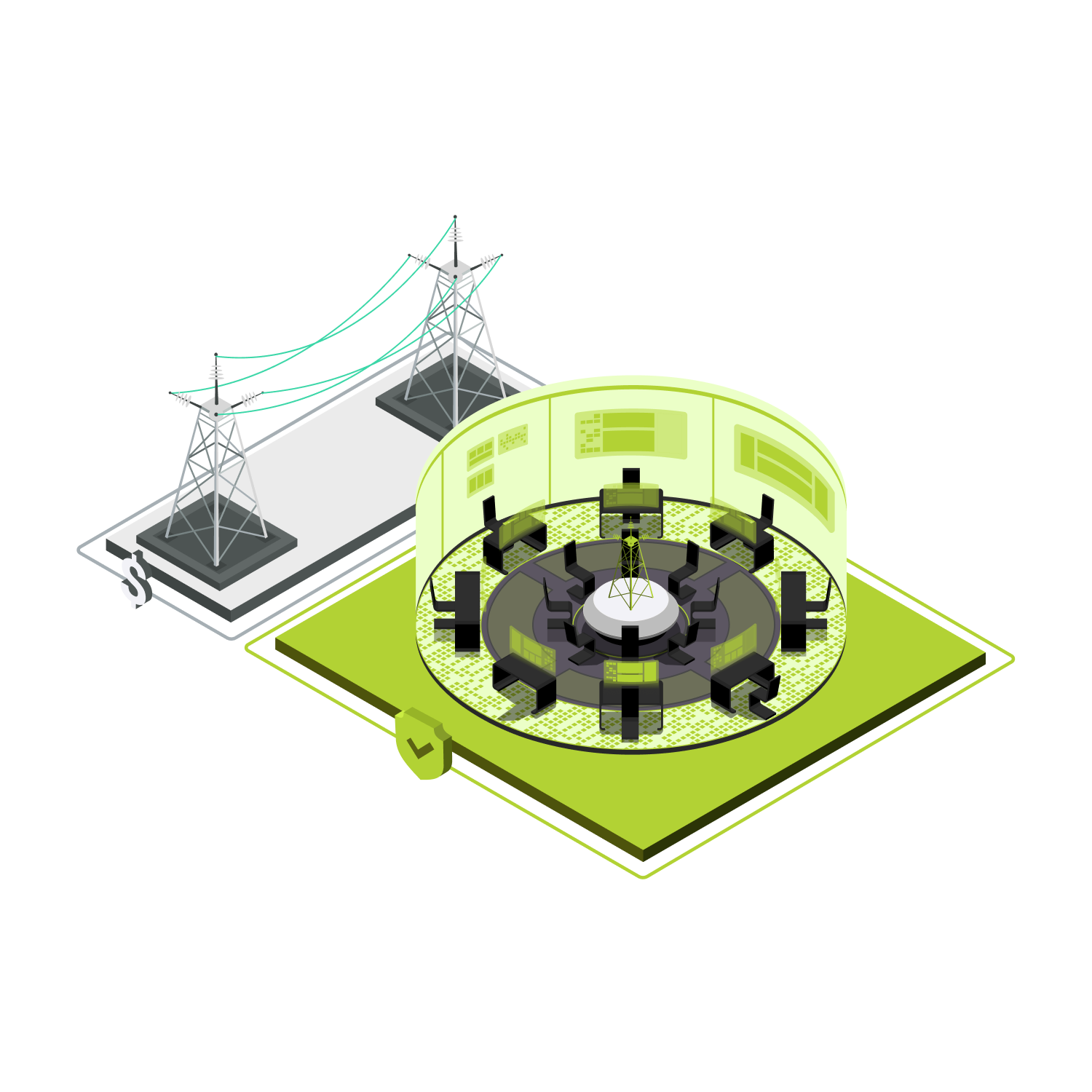
Modernize Utility Regulatory Frameworks
An expanded modernized grid needs digital infrastructure and demand flexibility to work. However, many utility, regulatory, and cost-recovery models are not designed with this in mind. To reach our energy infrastructure goals, we need to:
- Create clear cost-recovery pathways for digital grid investment, including software platforms.
- Require utilities to consider smart technologies in planning, alongside traditional solutions.
- Support performance-based incentives tied to reliability, resilience, electrification, and decarbonization outcomes.
Step #3
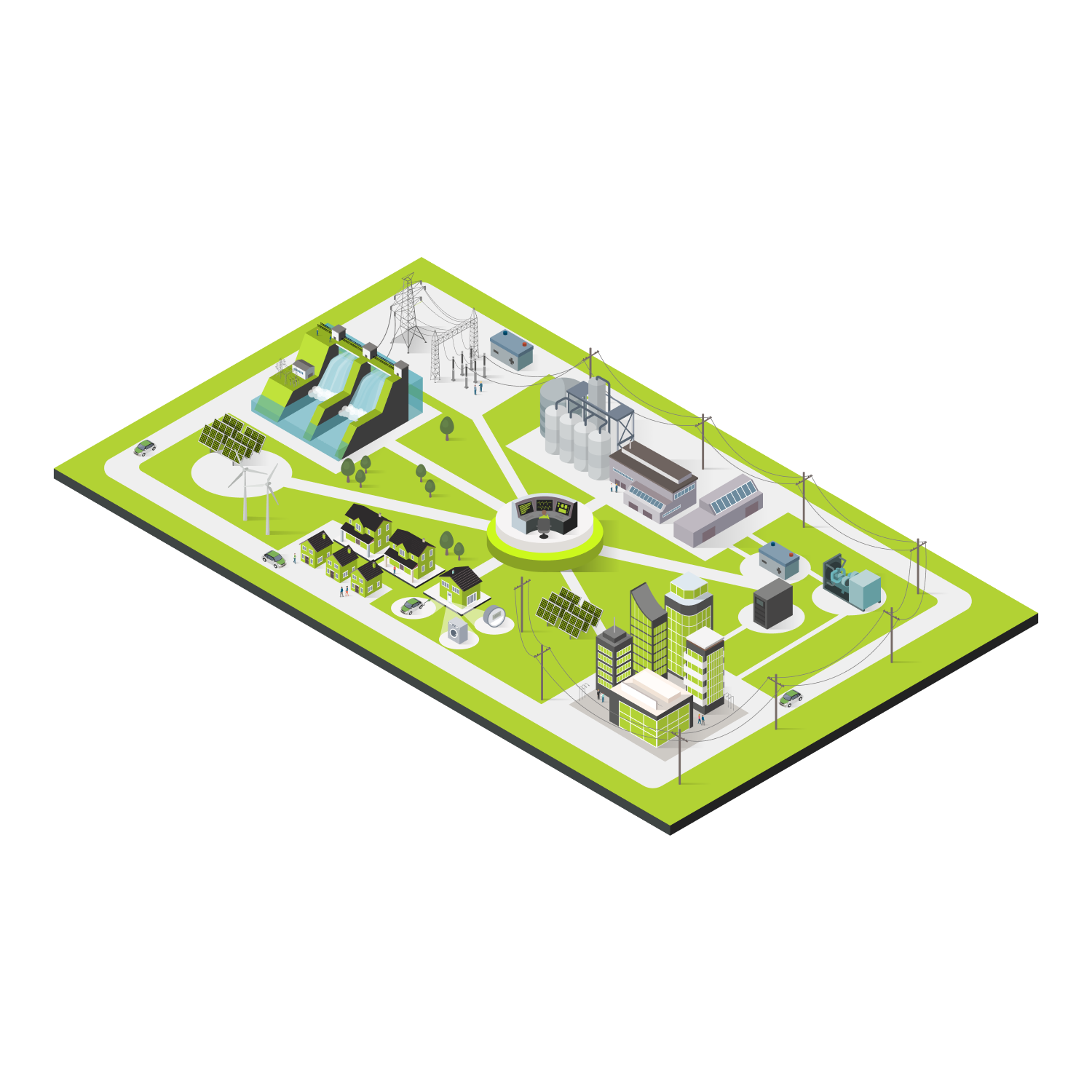
Align Codes & Standards for Interoperability
To improve electricity system interoperability and accelerate deployment, grid technology codes and standards need to be aligned – especially for smart grid and demand flexibility technologies.
Step #4
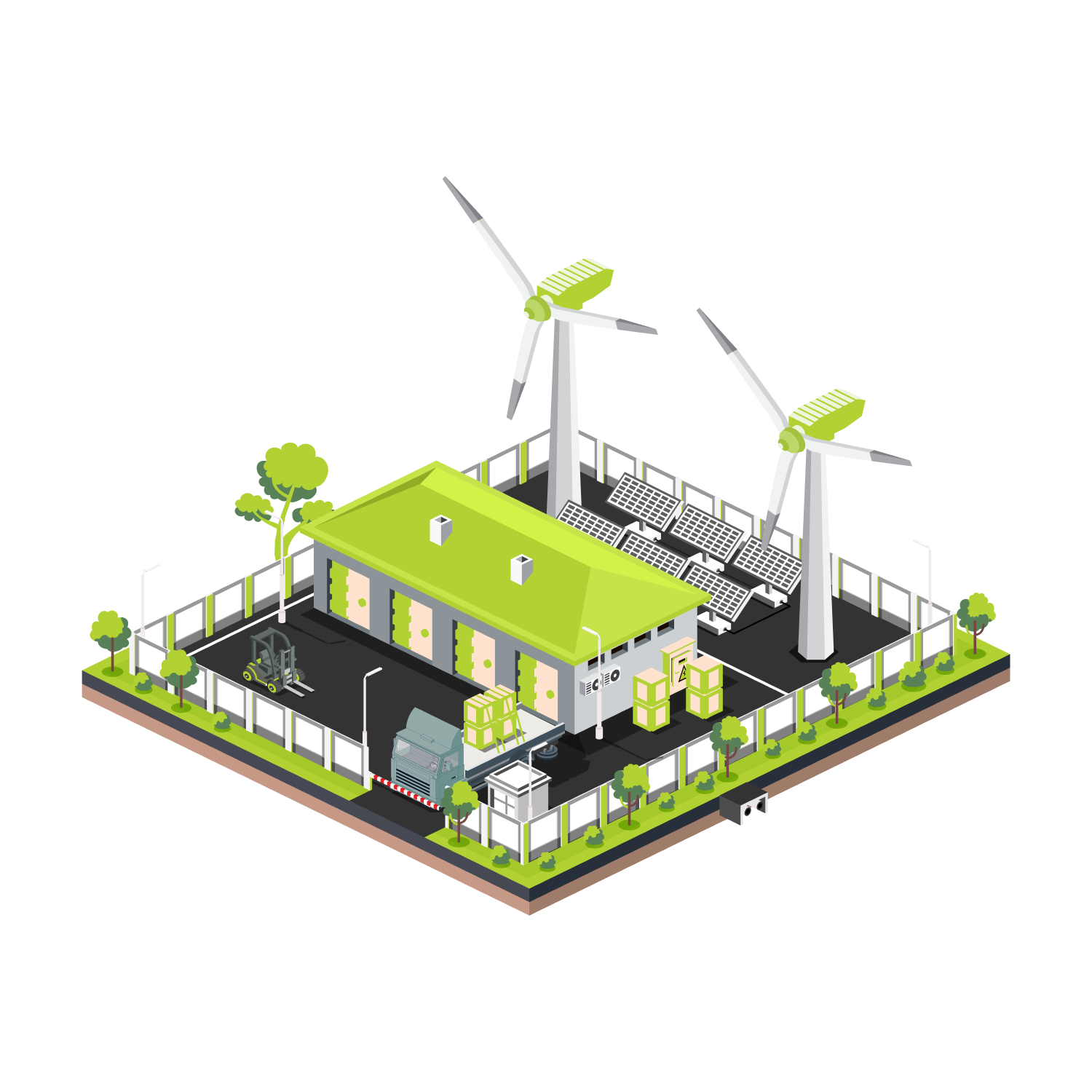
Demonstrate and Scale Emerging Solutions
By using targeted demonstrations and shared performance evidence under Canadian operating conditions, we can reduce risk and support replication at scale.
Step #5
Provide Long-Term, Predictable Policy Signals
By fast tracking priority transmission and grid infrastructure projects, we can accelerate grid build-out.
This means providing federal support for regional transmission corridors and strengthening long term policy and regulatory certainty that support electrification and investment.
The 2026 research report by EFC & Dunksy, found that grid technology readiness isn’t the main constraint – supply chains and regulatory and standards frameworks are the dominant barriers to enabling Canada’s electrification at scale.
Canada’s Unlocked Grid Means

Energy Reliability & Affordability
A modern grid means having smart digital systems to maintain reliability, affordability, and resiliency. Demand flexibility can reduce electricity costs and help Canadians shift to a net-zero future.

Energy Security
By strengthening the electrical supply chains, we improve national security, public safety, and economic stability. In addition, cementing Canada’s role as an energy superpower.

Global Competitiveness & Investment
A robust critical grid infrastructure will be a key driver of industrial expansion, job creation, and long-term economic growth.